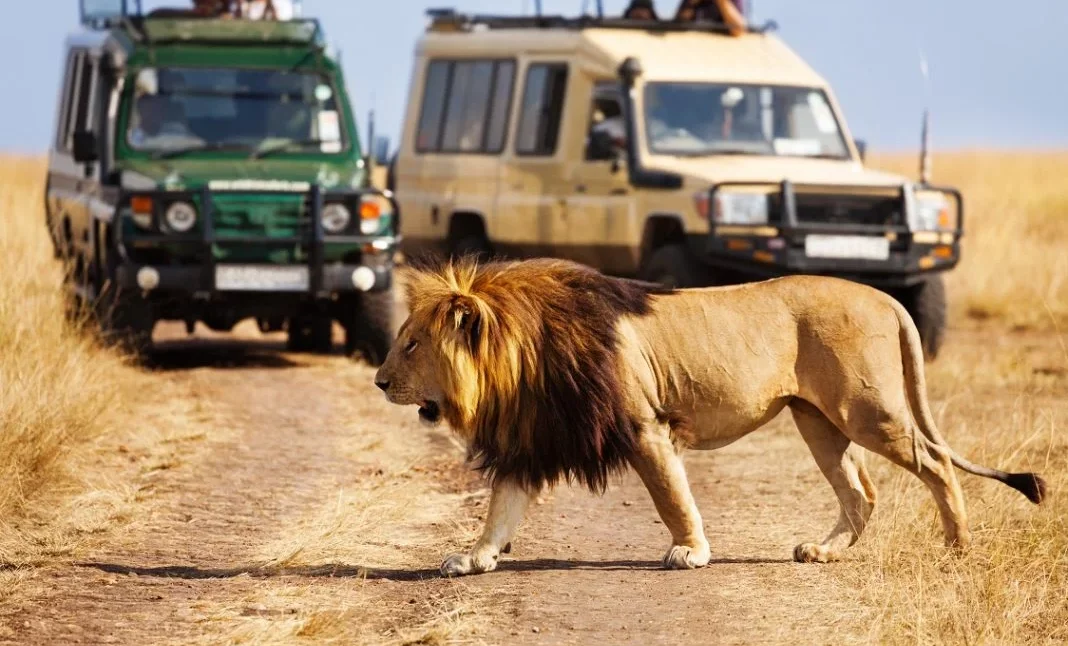
Kenya’s tourism sector continues to demonstrate its importance as a driver of economic growth, employment, investment, and international connectivity, according to the latest Economic Impact Research (EIR) Factsheet released by the World Travel & Tourism Council (WTTC) on 15 June 2026.
The report highlights the growing contribution of Travel & Tourism to Kenya’s economy, underscoring the sector’s role in supporting businesses across hospitality, transport, logistics, aviation, events, real estate, and related services.
According to the WTTC, Travel & Tourism contributed KES 1.6 trillion (USD 12.7 billion) to Kenya’s economy in 2025, representing 9.3% of national GDP. The sector is projected to contribute KES 1.7 trillion (USD 13.3 billion) in 2026, reflecting continued growth and a strong recovery trajectory following recent global disruptions.
Employment remains one of the sector’s most significant contributions. The report estimates that Travel & Tourism supported approximately 1.8 million jobs in Kenya in 2025 and is expected to maintain strong employment growth in the years ahead. By 2036, the sector is projected to support more than 2.2 million jobs across the country.
International visitor spending has also rebounded significantly. Visitor expenditure reached KES 643 billion (USD 5.0 billion) in 2025 and is forecast to rise further to KES 671.8 billion (USD 5.2 billion) in 2026. Domestic tourism continues to play an equally important role, generating KES 583.7 billion (USD 4.5 billion) in 2025 and demonstrating the resilience of Kenya’s internal travel market.
The findings reinforce Kenya’s position as one of Africa’s leading tourism and business travel destinations. The United States, United Kingdom, Uganda, Germany, and Tanzania ranked among the country’s leading sources of inbound visitors in 2025, reflecting Kenya’s broad international appeal and strategic role as a regional gateway.
Beyond leisure tourism, the report highlights the growing importance of business travel and regional connectivity. As Nairobi continues to strengthen its position as East Africa’s commercial hub, demand for executive mobility, meetings and conferences, hospitality services, and business support solutions is expected to increase alongside broader economic growth.
The WTTC projections suggest that tourism will remain a key pillar of Kenya’s economy over the coming decade. For businesses operating across travel, hospitality, logistics, infrastructure, and investment-related sectors, the data provides further evidence of the opportunities emerging from Kenya’s expanding role within regional and global markets.
Source: World Travel & Tourism Council (WTTC), 2026 Economic Impact Research (EIR) Factsheet – Kenya, released 15 June 2026.